

By Samantha Rigoli, RD, MPH
You’re trying to help your digestion. You add more vegetables, switch to a higher-fiber cereal, and start taking a fiber supplement.
Then your pants feel tighter by the afternoon.
It’s frustrating when something you’ve been told is good for you seems to make you feel worse. But that reaction gives us something useful to look at: what changed, how quickly it changed, and what else is happening with your digestion.
More fiber isn’t always the next step
Fiber plays an important role in digestive health. Increasing it too quickly, though, can cause gas, bloating, and cramping. A gradual change may be easier to tolerate than suddenly adding several high-fiber foods or products at once. MedlinePlus: Fiber
Think about what “eating more fiber” actually looked like for you. Did you change breakfast, add a supplement, and start eating a much larger salad at lunch in the same week?
When several things change together, it becomes difficult to tell what’s helping and what’s making you uncomfortable.
The type of fiber matters, too
Fiber isn’t one single ingredient that works the same way for everyone.
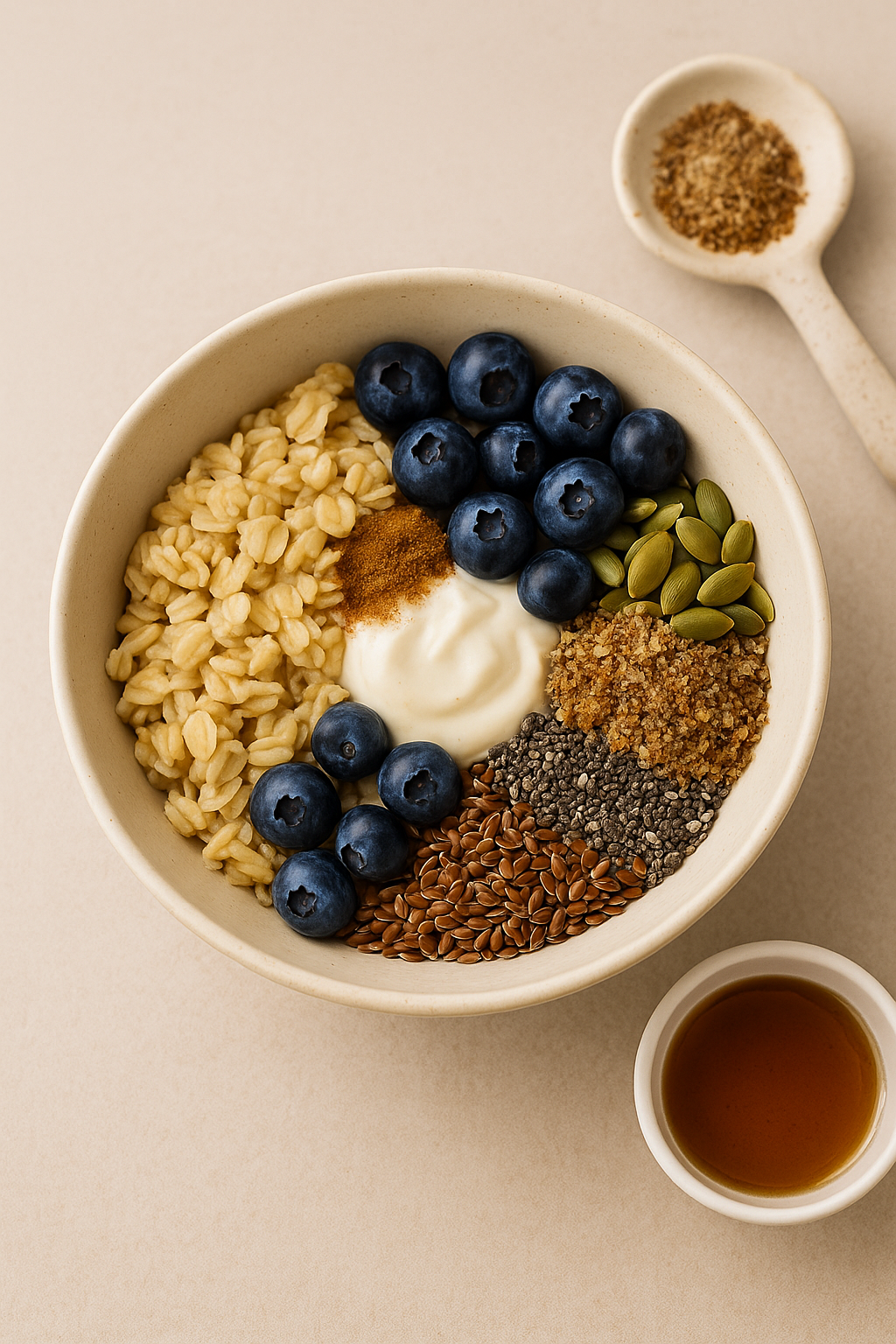
Soluble fiber, found in foods such as oats and fruit, behaves differently from insoluble fiber, found in foods such as wheat bran and vegetables. For people with irritable bowel syndrome, research suggests soluble fiber is more helpful for overall symptoms. That doesn’t mean every person with bloating has IBS, or that one food will work for everyone. NIDDK: Eating, Diet, & Nutrition for IBS
The question I want to explore is: what amount and combination can you comfortably eat?
Start with a clearer picture
Before adding another product, write down a few practical details:
- What changed in your meals or supplements?
- When does the bloating start?
- Are your bowel movements hard, uncomfortable, or difficult to finish?
- What have you already tried, and what happened?
You don’t need a perfect food diary. A few useful observations give us more to work with than “everything makes me bloated.”
If you’re increasing fiber, make one manageable change at a time rather than pushing through a large increase that leaves you feeling worse. Adding fiber gradually can reduce the chance of gas and bloating. NIDDK: Eating, Diet, & Nutrition for IBS
Look beyond the fiber count
Constipation can have more than one contributor. Medicines, supplements, pelvic floor problems, and conditions such as hypothyroidism may be involved. Persistent symptoms deserve a conversation with your healthcare clinician rather than an endless cycle of adding more fiber. NIDDK: Symptoms & Causes of Constipation
That’s why I ask about your health history, daily routine, symptoms, and what you’ve already tried. Gut First doesn’t mean Gut Only.
Get medical attention promptly if constipation comes with blood in your stool, constant abdominal pain, vomiting, an inability to pass gas, or unexplained weight loss. NIDDK: Symptoms & Causes of Constipation
You don’t have to figure it all out before asking for help
If you’re tired of changing your diet without understanding what’s helping, we can start with what’s bothering you and what you want to feel different.
Book a free Gut-First Symptom Assessment to talk about what you’ve tried and whether working together makes sense.

Looking for a practical place to start? Explore my free guides for everyday nutrition tips on digestion, minerals, perimenopause, and balanced meals. Choose a guide and try one manageable step.
Discover what may actually be driving your symptoms and why another restrictive diet probably isn’t the answer.
Still struggling with bloating, low energy, or a gut that just feels… off?

This website template was designed using 100% solar power
A New York City-based Registered Dietitian and Functional Nutritionist, specializes in gut health, hormone balance, and root cause nutrition. Sam is dedicated to helping clients uncover and address the underlying causes of their health issues for lasting wellness.
MEET sam

